The journey
The road so far.
Every milestone below is real development history, in the order it happened, from the first move to Unreal Engine 5 to the latest build. Each one links to the full story behind it.
Transition to Unreal Engine 5
After early experiments in Unity, we made the foundational move to UE5, unlocking high-fidelity visuals and advanced systems. First milestone: skating, dribbling, and responsive player animation in a test arena.
Read the full story →The rink and the gear
Our first full-size futuristic ice rink set the visual identity everything else builds on: modular design, dynamic lighting, and sci-fi accents. The gear followed — animated menus and stylized hockey sticks with glowing circuit designs, merging the gameplay with the high-tech VHL look.
Read the full story →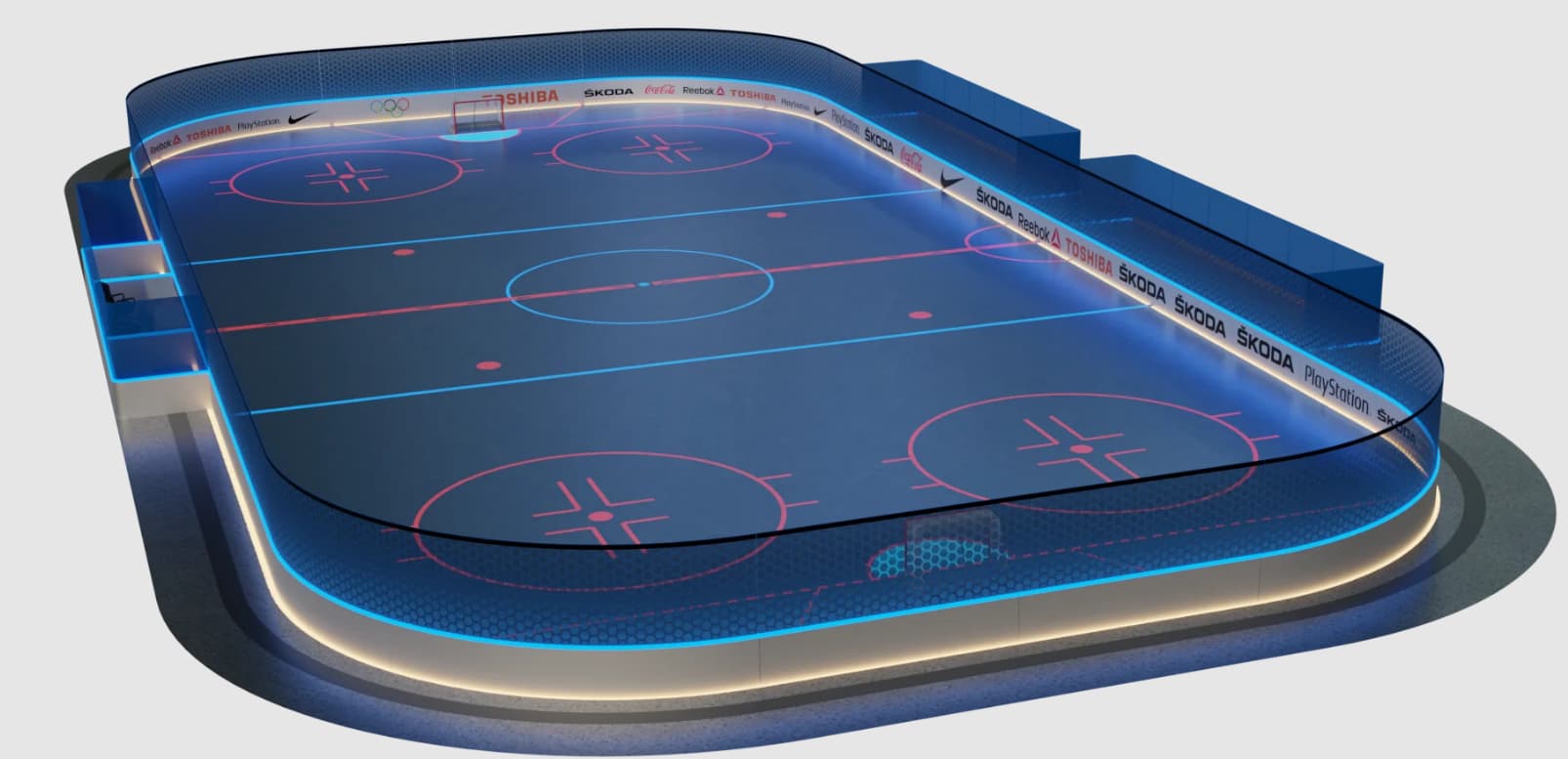
First multiplayer session
Multiple players connected and skated together on the same rink for the first time, going from local test to LAN session. The core competitive experience came to life.
Read the full story →Visual effects rework
A major graphical overhaul: improved lighting, new movement and impact VFX, cleaner UI transitions, and polish passes pushing the project toward its esports vision.
Read the full story →First 8-player worldwide playtest
Eight different people from around the world connected to the same lobby and played together for the first time. The jump from LAN sessions to real online play, with matchmaking, the server, and the netcode all tested under live conditions.
Read the full story →Skater model complete
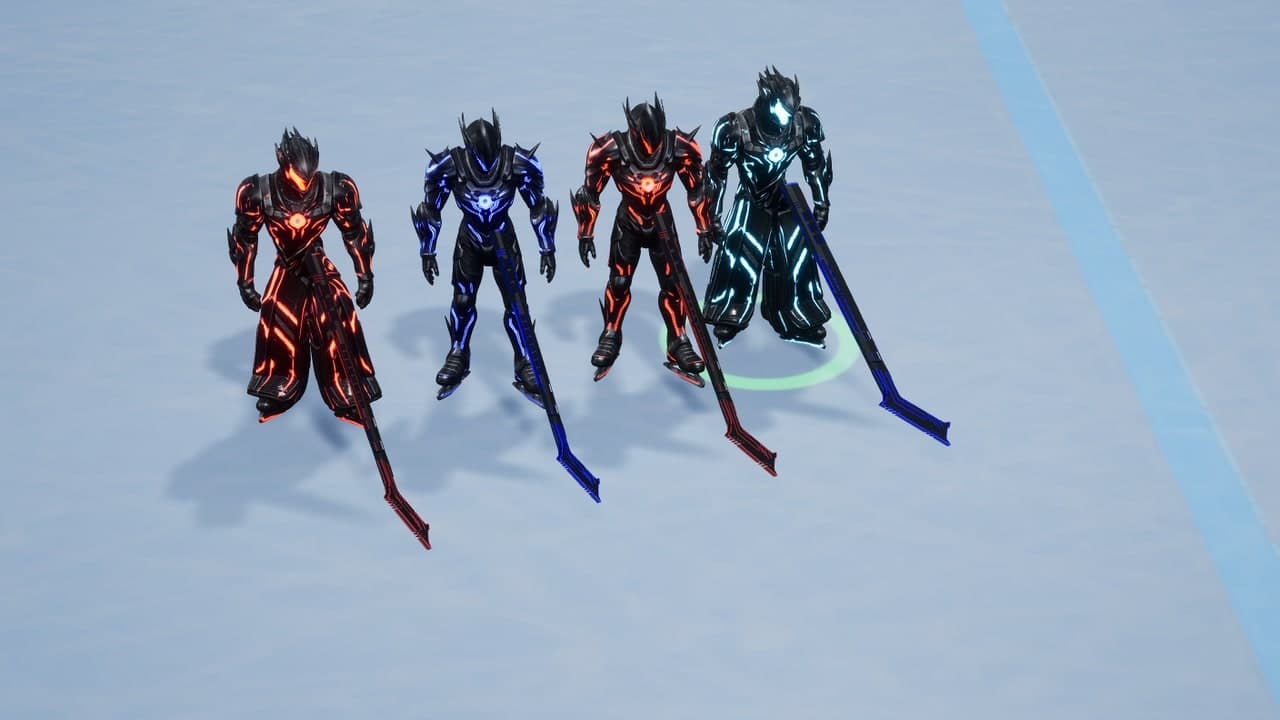
The finished VHL skater model entered the game, together with a new set of skating and idle animations. Current work: tuning the skating until it sells glide, edges, and momentum instead of footsteps.
Read the full story →Native rewrite and a dedicated server
Every gameplay system rewritten in native C++ and made server-authoritative, ending host advantage and the stutter that came with it. VHL now runs on a dedicated machine in a Nuremberg data centre, 24 hours a day, so every player connects to the same neutral referee.
Read the full story →NurembergLiveNuremberg, Germany— VHL’s dedicated alpha server. Update 0.9.14
New net and goalie models, and the goal rebuilt around them. Goals now only count when the puck arrives through the mouth, the netting is solid without sealing the goal shut, the scoreboard credits the team that actually scored, and players stopped appearing to skate on the spot.
Read the full story →